When you’re planning to bring a Rottweiler into your life, one of the most common questions is: “Should I choose a male or a female Rottweiler?” Both genders of Rodwajlery (Rottweilers) are loyal, confident, and protective, but they differ in temperament, training, and family compatibility. Understanding these differences can help you decide which one fits your lifestyle best.
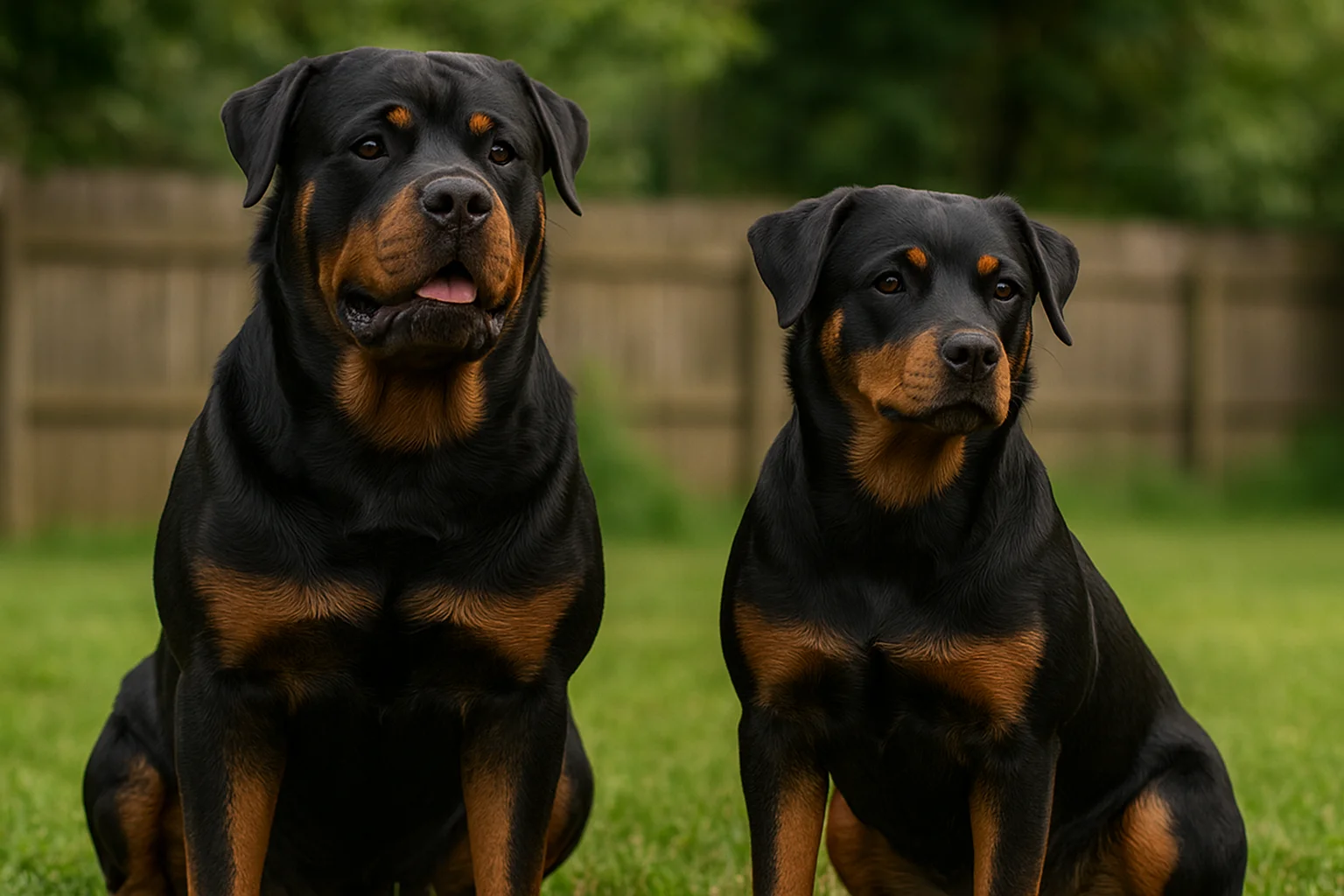
Physical Differences Between Male and Female Rottweilers
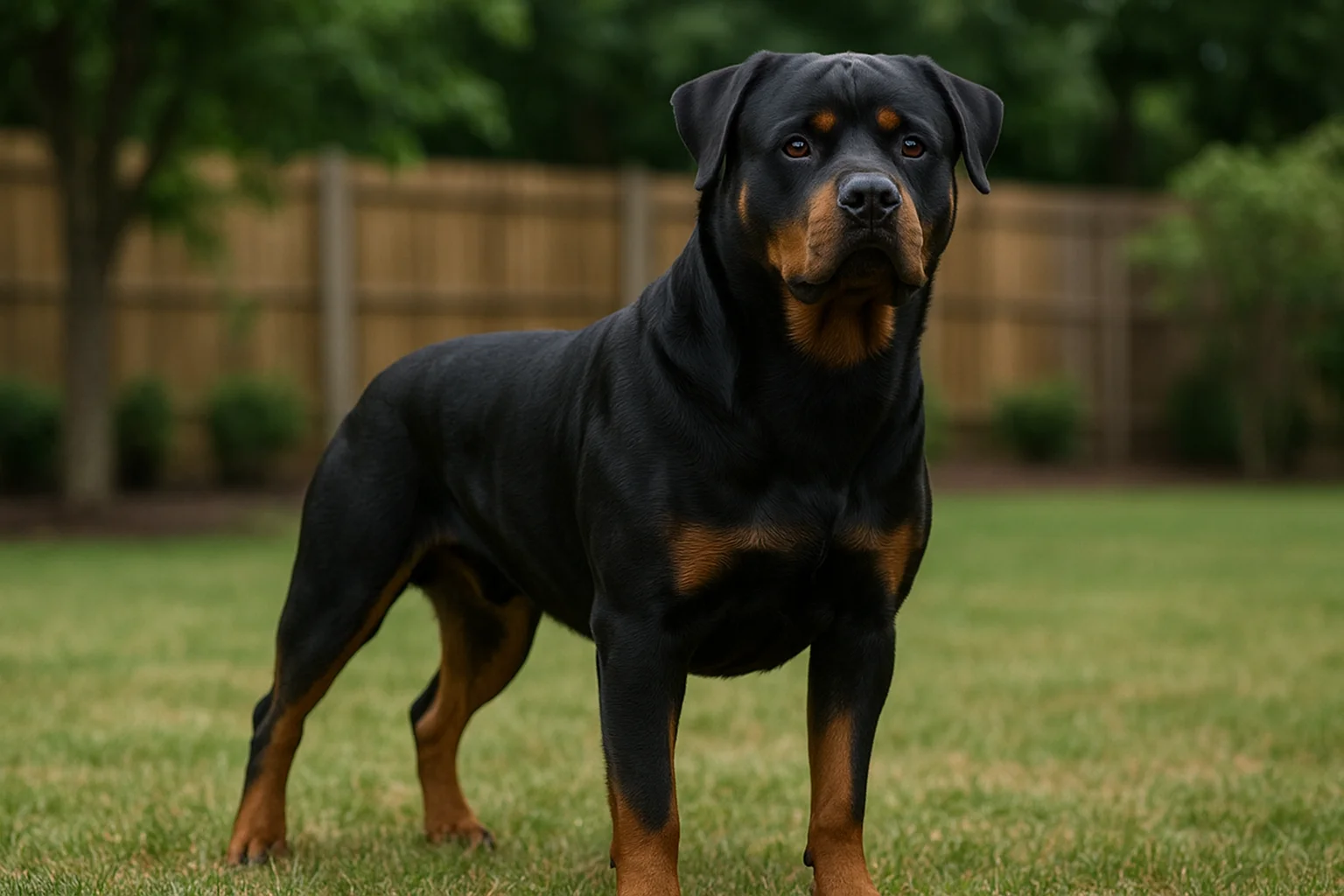
Male Rottweilers
- Larger and heavier, weighing 50–60 kg (110–130 lbs) on average.
- Taller and more muscular, with a broad chest and strong frame.
- Have a bigger head and a more dominant look.
- Often look more intimidating — ideal for guard duties.
Female Rottweilers
- Smaller and lighter, usually 35–48 kg (77–106 lbs).
- More compact and agile in structure.
- Possess a feminine, graceful appearance.
- Easier to handle for first-time owners or smaller households.
If you prefer a strong, commanding presence, go for a male Rodwajlery. If manageability and agility matter more, a female Rottweiler may suit you better.
Temperament and Personality: Male vs Female Rottweiler
Male Rottweiler Personality: Male Rottweilers are strong-willed, territorial, and protective by nature. They form a deep bond with one person and often act as loyal guardians. However, they can be stubborn if not trained properly.
- More dominant and territorial.
- Take longer to mature mentally.
- Can be more playful even in adulthood.
- Need confident leadership during training.
Female Rottweiler Personality: Females are more even-tempered and emotionally mature faster than males. They are affectionate, alert, and easier to train.
- Better suited for families with kids or other pets.
- Show strong nurturing instincts.
- More adaptable to social environments.
- Generally calmer and more obedient.
If you want a protective and strong companion, go for a male. If you prefer a calmer, family-friendly dog, the female Rottweiler is ideal.
Training and Obedience
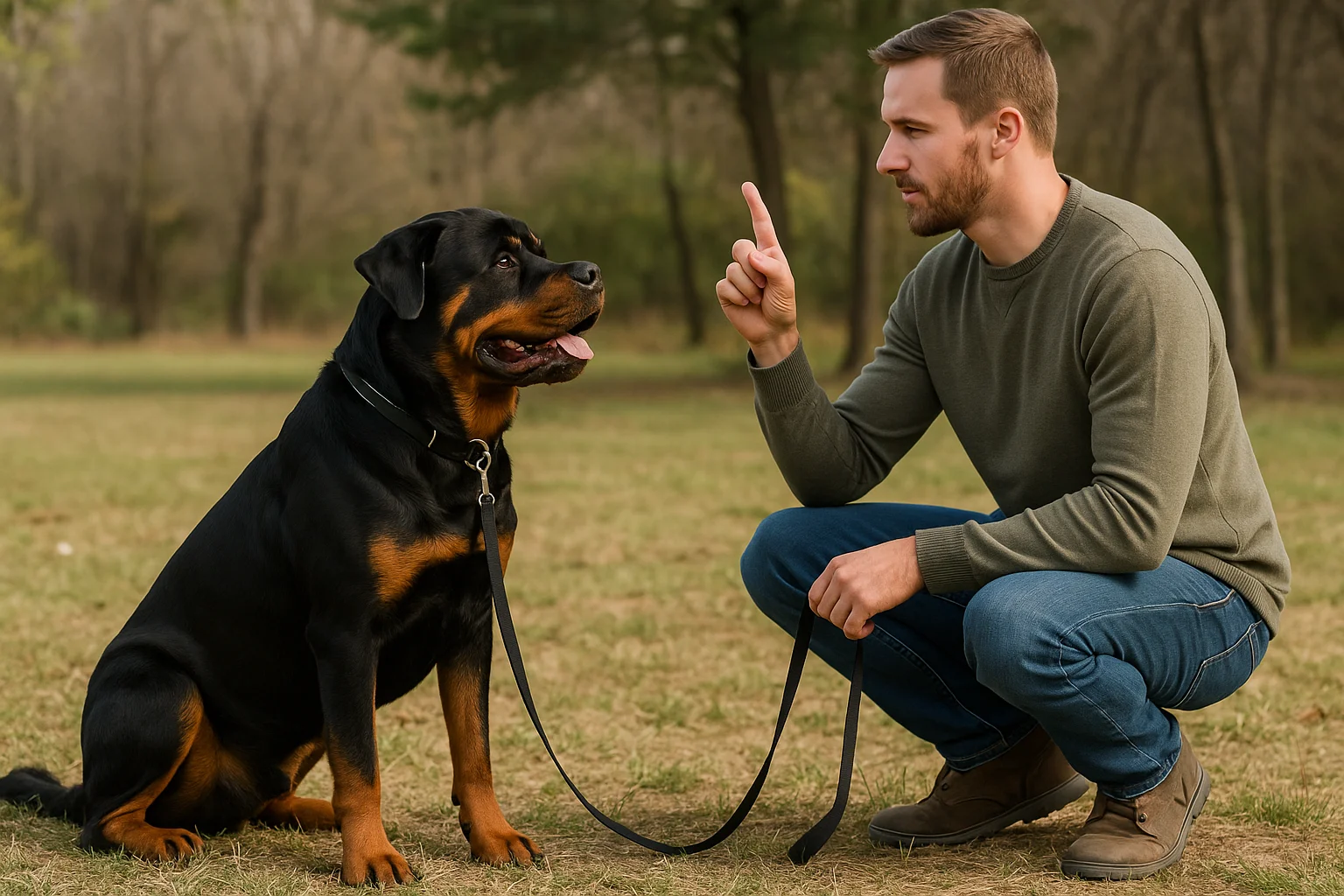
Training a Rottweiler is essential — whether male or female. However, the training experience differs slightly between the two.
Training a Male Rottweiler:
- Requires firmness and consistency.
- May challenge authority during adolescence.
- Needs early socialization to prevent dominance issues.
Training a Female Rottweiler:
- Learns commands faster.
- Easier to motivate with praise or treats.
- Responds well to gentle but consistent discipline.
If you’re a first-time Rottweiler owner, a female Rodwajlery is often the better option due to her cooperative nature.
Family Compatibility
Female Rottweilers generally blend more easily into family environments. They are nurturing, patient, and protective — especially around kids. Their calm temperament makes them perfect for homes with small children or other pets.
Male Rottweilers, on the other hand, can be more protective and territorial. They may not get along easily with other male dogs, but their loyalty to their owners is unmatched.
Summary:
- Female Rottweiler: Best for families and multi-pet households.
- Male Rottweiler: Best for singles, couples, or those seeking a strong protector.
Social Behavior and Other Pets
Males:
- Can be dominant toward other male dogs.
- Need structured introductions to new pets.
- Strong alpha instincts may cause occasional conflicts.
Females:
- More tolerant and cooperative.
- Easier to socialize with both genders of dogs.
- Usually maintain balance within a group of pets.
For multi-dog households, a female Rottweiler (psy rodwajlery) is usually easier to integrate.
Guarding and Protection Instincts
Rottweilers are famous for their guarding skills. Both genders are loyal and courageous protectors, but their approaches differ.
Male Rottweilers:
- Quick to react to threats.
- Display more physical dominance.
- Excellent deterrents for intruders.
Female Rottweilers:
- More cautious and observant.
- Assess situations before reacting.
- Protect through intelligence and awareness rather than aggression.
If you want an active guard dog, choose a male. If you want a calm, family-friendly protector, the female fits perfectly.
Health and Lifespan
Both male and female Rottweilers are strong dogs but prone to similar health issues such as hip dysplasia, heart problems, and obesity if not exercised properly.
Males:
- Slightly higher chance of joint stress due to size.
- More prone to territorial marking behavior if not neutered.
Females:
- Can develop mammary tumors if not spayed.
- Need care during heat cycles twice a year.
With a balanced diet and regular vet care, both genders can live around 8–10 years or longer. Always buy from responsible breeders offering rodwajlery szczeniaki with proper health certificates.
Maintenance and Grooming
Both genders have short, dense coats that need regular brushing to control shedding. However:
- Females shed slightly less than males.
- Males may need more frequent grooming due to their size.
Routine care — including nail trimming, ear cleaning, and monthly baths — keeps your pies rodwajlery looking and feeling their best.
Behavioral Differences During Maturity
- Males mature slower and may act playful even at 2–3 years old.
- Females mature early (around 1.5 years) and stabilize emotionally faster. This maturity difference can influence training, focus, and obedience levels.
Cost and Adoption Considerations
The cost of rodwajlery psy szczeniaki can vary depending on breeder quality and bloodline. Typically:
- Males may cost slightly more due to demand for protection roles.
- Females are often preferred for family and show purposes.
Avoid offers like “psy rodwajlery za darmo” without verification — always adopt or buy responsibly from certified breeders.
Which One Is Better for You?
The answer depends on your personality, family structure, and lifestyle.
Choose a Male Rottweiler if you want:
- A strong, dominant guard dog.
- A deep one-person bond.
- A confident, bold personality.
Choose a Female Rottweiler if you want:
- A calmer, family-oriented companion.
- Easier training and emotional stability.
- Better social behavior with kids and pets.
In the end, both genders can make excellent companions if raised with love, discipline, and proper training.
Final Thoughts
When comparing Male vs Female Rottweiler, the “better” choice depends on you. Males are loyal protectors with powerful presence, while females are affectionate, obedient, and family-oriented. Both are intelligent, trainable, and loving — the key is providing them with proper care, training, and time.
Whichever gender you choose, your Rodwajlery (Rottweiler) will reward you with lifelong loyalty, love, and protection.
FAQs
Q1: Are female Rottweilers more affectionate than males?
Yes, females are typically more affectionate and emotionally responsive, especially toward children.
Q2: Do male Rottweilers protect better?
Generally, yes. Males have stronger territorial instincts, making them ideal guard dogs.
Q3: Which is easier to train — male or female Rottweiler?
Females learn commands faster and stay more focused, making them easier to train.
Q4: Can male and female Rottweilers live together?
Yes, they usually get along well when introduced properly and trained early.
Q5: Are female Rottweilers less aggressive?
Yes. They are calmer, more patient, and less territorial compared to males.