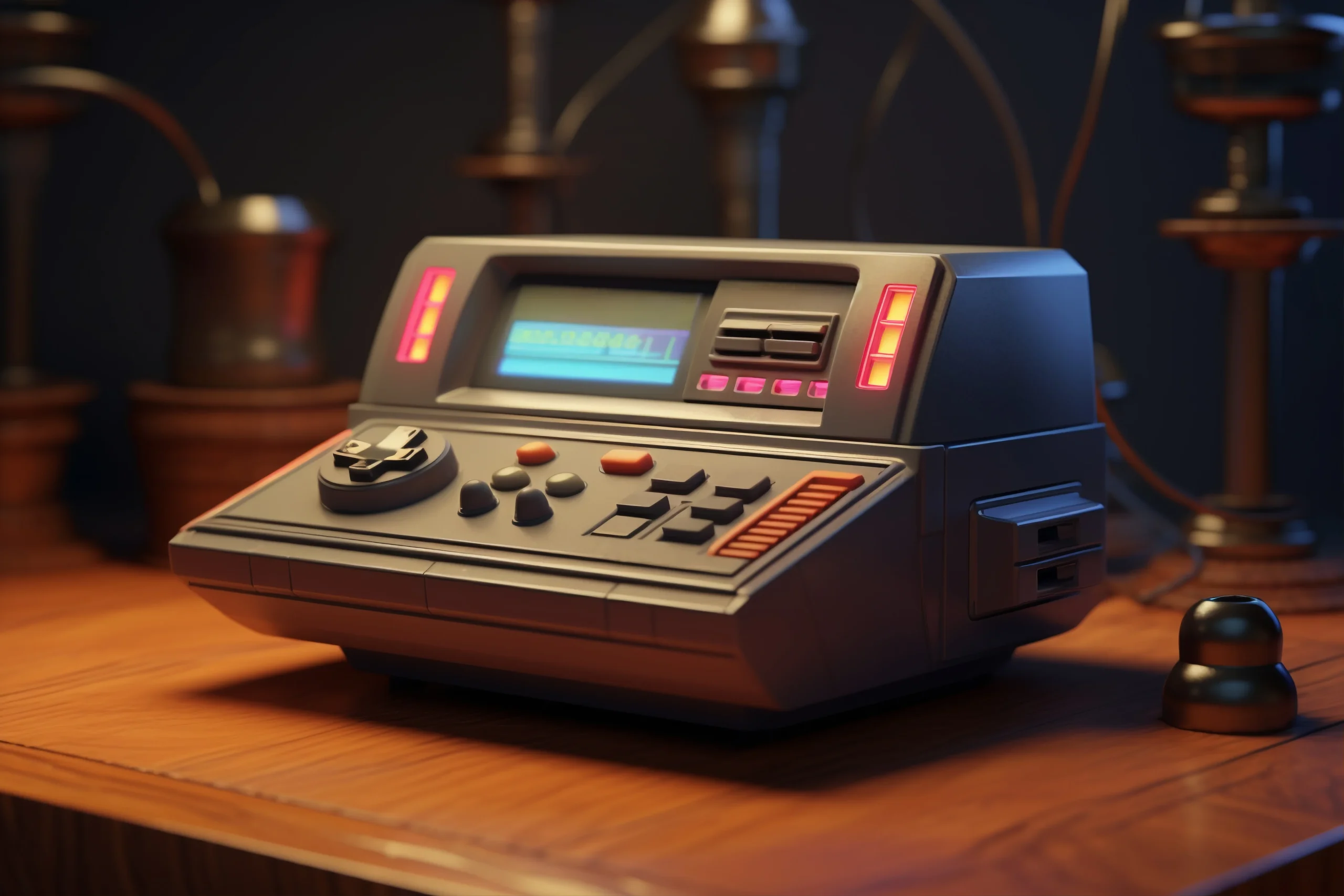
Manual settings HSSGameStick are the key to unlocking stable performance, better graphics control, and responsive gameplay across retro gaming systems. Many users rely on plug-and-play mode, but those who explore manual configuration usually get a far more stable and customized gaming experience, especially when handling emulation performance, controller mapping, and display scaling.
In modern retro gaming devices like HSS Game Stick, default settings often aim for compatibility rather than optimization. That means the system works “okay” for most users but not “best” for serious gameplay. Manual tuning changes that completely.
First access point inside the system menu
When the device boots, most users land directly in the game interface. However, the real control panel is hidden deeper inside the system navigation.
To reach manual configuration areas, users typically explore:
- System settings menu from home screen
- Advanced settings section (varies by firmware version)
- Emulator-specific configuration panels
- Input or controller configuration tab
- Display and resolution adjustment area
These sections are not always labeled clearly, which is why many users never adjust them. Yet this is where performance improvements actually begin.
Key actions usually found here:
- Language switching for better navigation
- Time/date correction for save file stability
- System reset options for corrupted configurations
- Storage recognition settings (USB / SD card handling)
Small adjustments here often fix lag or freezing issues reported by users.
See also Tech Giants Envision Future Beyond Smartphones
Display tuning for sharper retro visuals
One of the most important manual settings in HSS GameStick is display calibration. Retro games were originally designed for older screens, so modern TVs can distort visuals if not configured properly.
Recommended manual display adjustments:
- Resolution scaling: match your TV (720p or 1080p usually works best)
- Aspect ratio: switch between 4:3 (original retro look) and 16:9 (full screen modern TVs)
- Overscan correction: adjust if edges appear cut off
- Sharpness reduction: prevents pixel over-enhancement
- Color balance: fine-tune saturation for CRT-like feel
Practical improvements users notice:
- Less stretched character models
- Cleaner edges in pixel art games
- Reduced input delay on some displays
- More stable frame rendering in fast scenes
Many players prefer 4:3 mode for authenticity, especially in arcade and PlayStation 1 titles, while 16:9 is used for casual modern TV viewing.
Controller mapping adjustments for responsive gameplay
Controller configuration is one of the most powerful manual settings inside HSS Game Stick. Default mapping often works, but not always for every emulator or game.
Inside the input settings, users can adjust:
- Button remapping (A, B, X, Y layout customization)
- Analog stick sensitivity
- D-pad calibration
- Turbo/fire button assignment
- Multi-controller pairing settings
Useful customization practices:
- Swap confirm/cancel buttons for comfort (especially if using PlayStation-style layout)
- Reduce stick sensitivity for racing games
- Increase responsiveness for fighting games
- Assign hotkeys for quick save/load functions
- Disable unused buttons to prevent accidental inputs
Common improvement results:
- Faster reaction time in fighting games
- Better aiming control in shooting titles
- Reduced input confusion across different emulator systems
Emulator-level configuration control
HSS GameStick usually runs multiple emulators under one interface. Each emulator behaves differently, which makes manual tuning important.
Typical emulator settings include:
- Frame skip adjustment
- CPU performance mode
- Audio sync correction
- Save state stability options
- Game-specific compatibility modes
Recommended manual optimization:
- Disable unnecessary frame skipping unless lag occurs
- Enable audio sync to avoid sound delay
- Use “compatibility mode” for older or glitchy ROMs
- Turn off filters if performance drops
What users often experience after tuning:
- Reduced stutter in heavy games
- Better sound synchronization
- Fewer random crashes in older ROM files
Storage and game loading optimization
Performance issues in HSS Game Stick are often related to storage speed rather than hardware limitations.
Manual storage settings include:
- USB vs SD card priority selection
- File indexing refresh
- Game list cache rebuild
- Save file directory configuration
Optimization tips:
- Use high-speed SD cards (Class 10 or above)
- Avoid overloaded storage with unnecessary files
- Keep ROM directories organized by console type
- Refresh game list after adding new files
Benefits of proper setup:
- Faster game loading time
- Reduced freezing on startup
- Stable save/load behavior
- Cleaner game library navigation
Audio balancing and synchronization settings
Sound delay is a common issue in retro gaming devices. Manual settings help fix mismatch between visuals and audio.
Audio controls usually include:
- Latency adjustment
- Mono/stereo switching
- Sample rate correction
- Volume normalization
Recommended tuning:
- Enable audio sync correction if sound lags behind gameplay
- Use stereo output for modern TVs
- Lower audio enhancement filters if distortion appears
- Balance volume to prevent clipping during intense scenes
After adjustment:
- Music matches gameplay actions properly
- Reduced echo or delay in sound effects
- Clearer retro sound reproduction
Performance mode and system stability control
Most HSS Game Stick devices include hidden performance settings that directly affect speed.
Manual options often include:
- CPU performance mode (normal / high / turbo)
- Background process limitation
- Emulator priority ranking
- Thermal optimization mode (on some firmware versions)
Best practices:
- Use high-performance mode for heavy consoles like PSP or N64
- Keep normal mode for 8-bit and 16-bit systems
- Avoid overheating by not forcing turbo mode for long sessions
Expected results:
- Smoother gameplay in demanding titles
- Reduced lag spikes
- More stable frame pacing during boss fights or heavy action scenes
Save system and state management tuning
Save handling is another area where manual configuration matters a lot.
Options usually include:
- Save state slot selection
- Auto-save interval settings
- Memory card emulation setup
- Backup save export feature
Helpful configuration habits:
- Use multiple save slots for different progress points
- Enable auto-save for RPG games
- Backup saves before emulator updates
- Avoid overwriting important state files
Benefits:
- Prevents progress loss
- Allows experimentation in difficult games
- Improves overall user control experience
Interface customization and navigation flow
Even the menu system itself can be optimized manually for smoother use.
Adjustable UI elements:
- Theme selection (light/dark or retro skins)
- Game sorting method (alphabetical, console-based)
- Favorites tagging system
- Recently played tracking
- Background animation control
Recommended setup:
- Sort games by console type for easy navigation
- Disable heavy animations for faster menu response
- Mark frequently played games as favorites
- Keep interface simple to reduce lag
Result:
- Faster browsing experience
- Easier game discovery
- Cleaner user interface on low-performance displays
Common mistakes users make during manual configuration
Many users unintentionally reduce performance instead of improving it.
Avoid these errors:
- Enabling too many graphical filters
- Overclocking performance mode continuously
- Using low-quality storage devices
- Randomly changing emulator cores without understanding compatibility
- Mixing different controller profiles without resetting
Fixing these mistakes usually restores normal performance instantly.
Practical real-world optimization workflow
A balanced manual setup usually follows this sequence:
- Set correct display resolution first
- Adjust controller mapping next
- Configure emulator performance settings
- Optimize storage and game directories
- Fine-tune audio synchronization
- Finish with UI customization
Following this order avoids conflicts between settings and ensures stable performance.
Long-term device stability habits
To maintain smooth operation over time:
- Restart device after major configuration changes
- Avoid filling storage completely
- Regularly refresh game lists
- Keep firmware (if available) updated
- Reset settings only when performance drops significantly
These habits prevent slowdowns and corruption of configuration files.
Manual settings in HSS GameStick are not just optional tweaks—they define the difference between average gameplay and a fully optimized retro gaming experience. When properly configured, the system becomes faster, more stable, and far more enjoyable across all supported emulators.
The real advantage comes when users stop relying on default plug-and-play behavior and start treating the device as a customizable gaming platform built for precision tuning.