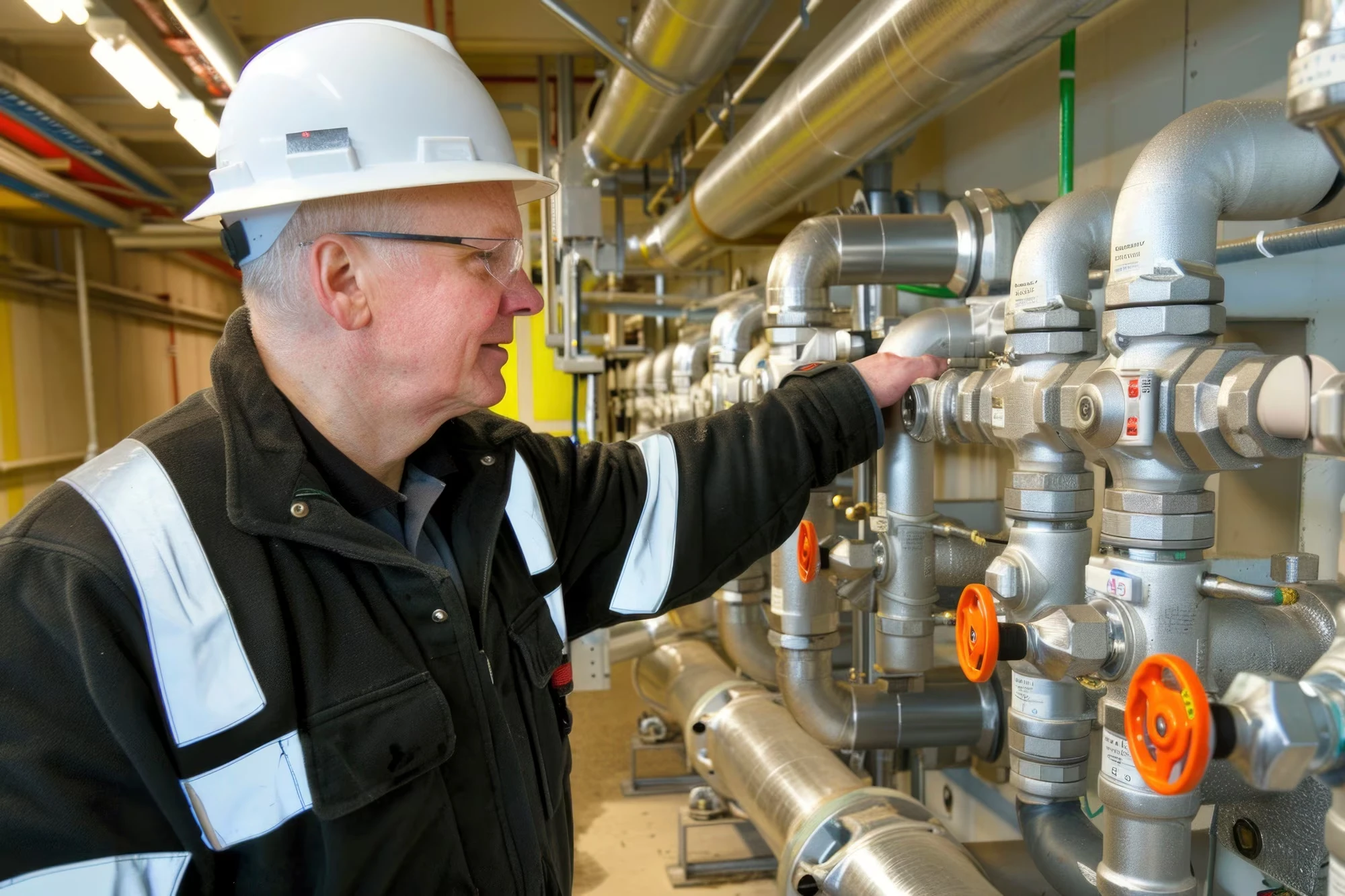
Understanding the importance of an osmoseanlage is essential for anyone looking to improve their water quality at home or in aquariums. These advanced reverse osmosis systems offer numerous benefits, from enhanced health outcomes to protecting your appliances from hard water damage. In this guide, we will explore everything you need to know about osmoseanlagen, including how they work, their advantages, and key maintenance tips.
What is an Osmoseanlage?
An osmoseanlage, or reverse osmosis system, is a sophisticated water filtration unit that uses membrane technology to remove contaminants from water. This process involves forcing water through a semi-permeable membrane, which filters out harmful impurities such as heavy metals, chlorine, and other pollutants.
Components of an Osmoseanlage
- Pre-Filters: Remove larger particles and chlorine to protect the membrane.
- Reverse Osmosis Membrane: The core component that filters out contaminants.
- Post-Filters: Improve the taste and quality of the water by removing any remaining impurities.
- Storage Tank: Holds the purified water until it is needed for use.
How Does an Osmoseanlage Work?
The reverse osmosis process involves several stages:
- Pre-filtration: Water passes through pre-filters to remove sediment and chlorine.
- Reverse Osmosis: Water is pushed through the semi-permeable membrane at high pressure.
- Post-filtration: Any residual tastes or odors are eliminated, ensuring high-quality drinking water.
Types of Osmoseanlagen
There are various models of osmoseanlagen available, each catering to different needs:
| Type | Features | Best For |
|---|---|---|
| Standard Home Systems | Basic filtration, suitable for tap water | General household use |
| Aquarium Systems | Specialized for maintaining aquarium water quality | Aquarium enthusiasts |
| Smart Systems | Integrated with smart technology for monitoring | Tech-savvy homeowners |
Benefits of Using an Osmoseanlage
Investing in an osmoseanlage offers multiple benefits:
- Improved Water Quality: Removes contaminants and reduces Total Dissolved Solids (TDS).
- Health Benefits: Provides clean drinking water, free from harmful pollutants.
- Cost-Effective: Reduces reliance on bottled water, saving money in the long run.
- Environmentally Friendly: Decreases plastic waste from bottled water.
Installation Guide
Installing an osmoseanlage can be straightforward with the right tools and instructions:
- Choose a location near a water source and power supply.
- Install pre-filters and connect the water line to the system.
- Attach the reverse osmosis membrane and post-filters.
- Connect the storage tank and faucet for dispensing purified water.
For a visual guide, watch our installation video tutorial.
Maintenance Tips
Regular maintenance ensures your osmoseanlage operates efficiently:
- Filter Replacement: Change filters every 6-12 months, depending on usage.
- Storage Tank Cleaning: Clean the tank annually to prevent bacterial growth.
- System Check: Inspect for leaks and ensure seals are intact.
- Professional Servicing: Schedule annual check-ups with a qualified technician.
Cost Analysis
The initial investment in an osmoseanlage might seem significant, but the long-term savings and benefits outweigh the costs:
- Initial Cost: Depending on the model, prices range from €200 to €800.
- Maintenance Costs: Annual maintenance, including filter replacement, can cost around €100.
- Long-term Savings: Reduction in bottled water purchases and appliance protection from hard water damage.
Case Study: Osmoseanlage Impact on Home Water Quality
One homeowner, Sarah, experienced significant improvements in her home’s water quality after installing an osmoseanlage. Before installation, her tap water had a high TDS level and unpleasant taste. Within a month of using the system, Sarah noticed a clearer taste and a substantial reduction in mineral buildup on her appliances. Her quarterly savings on bottled water also contributed to a faster return on investment.
Frequently Asked Questions
How often should I change the filters in my osmoseanlage?
Filters should be replaced every 6-12 months, depending on water usage and quality.
What are the maintenance costs associated with an osmoseanlage?
On average, maintenance costs around €100 per year, including filter replacements.
Can an osmoseanlage remove all contaminants from water?
While highly effective, no system removes all contaminants. It significantly reduces major impurities.
Is a professional installation necessary?
DIY installation is possible with the right guidance, but professional installation ensures optimal setup.
What are the differences between osmoseanlagen and other filtration systems?
Osmoseanlagen use membrane technology for high-level filtration, unlike basic carbon filters that may only reduce odors and chlorine.
Choosing an osmoseanlage can transform your water quality, offering numerous health and environmental benefits. By understanding the installation and maintenance process, you can ensure your system runs efficiently and provides pure water for years to come.