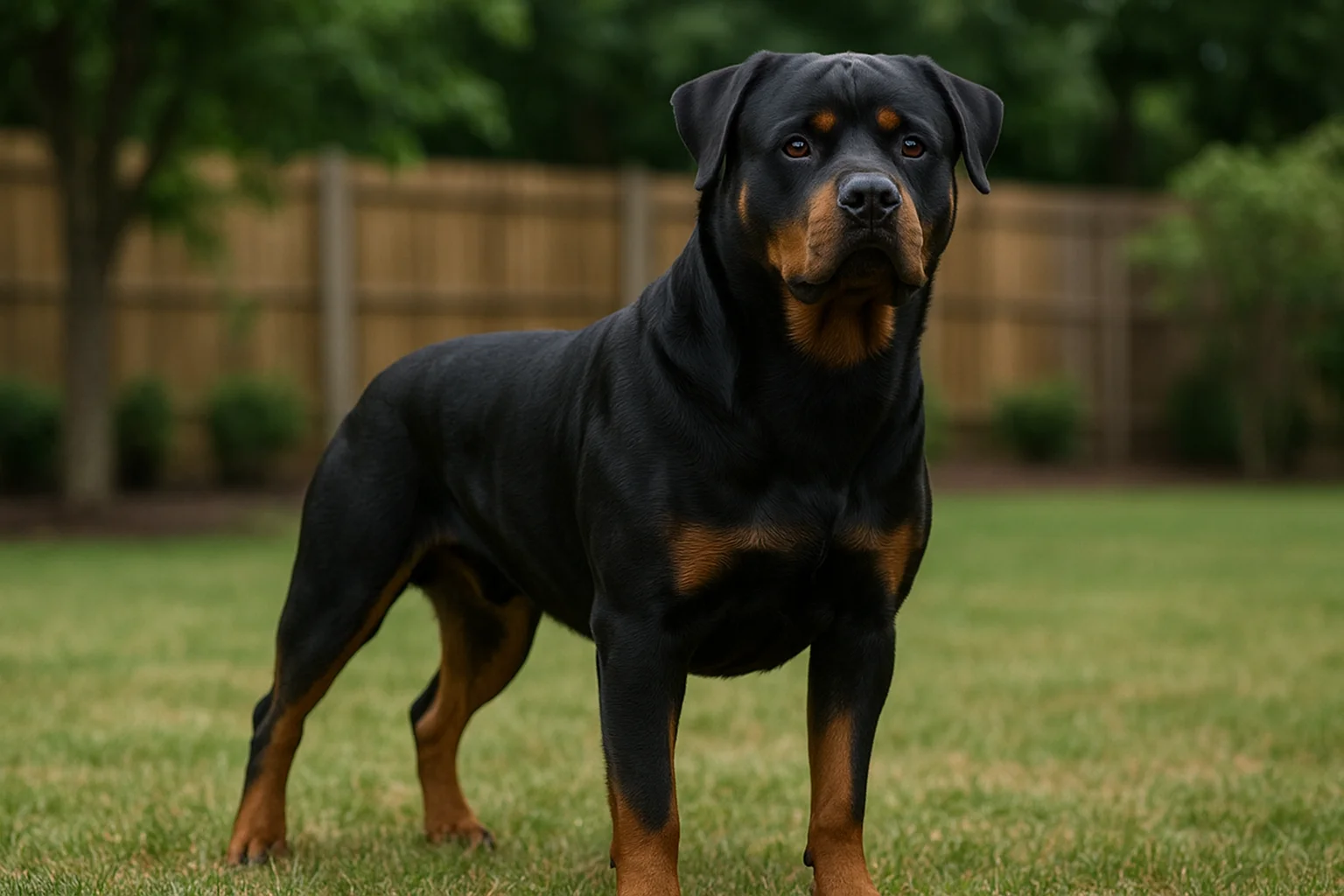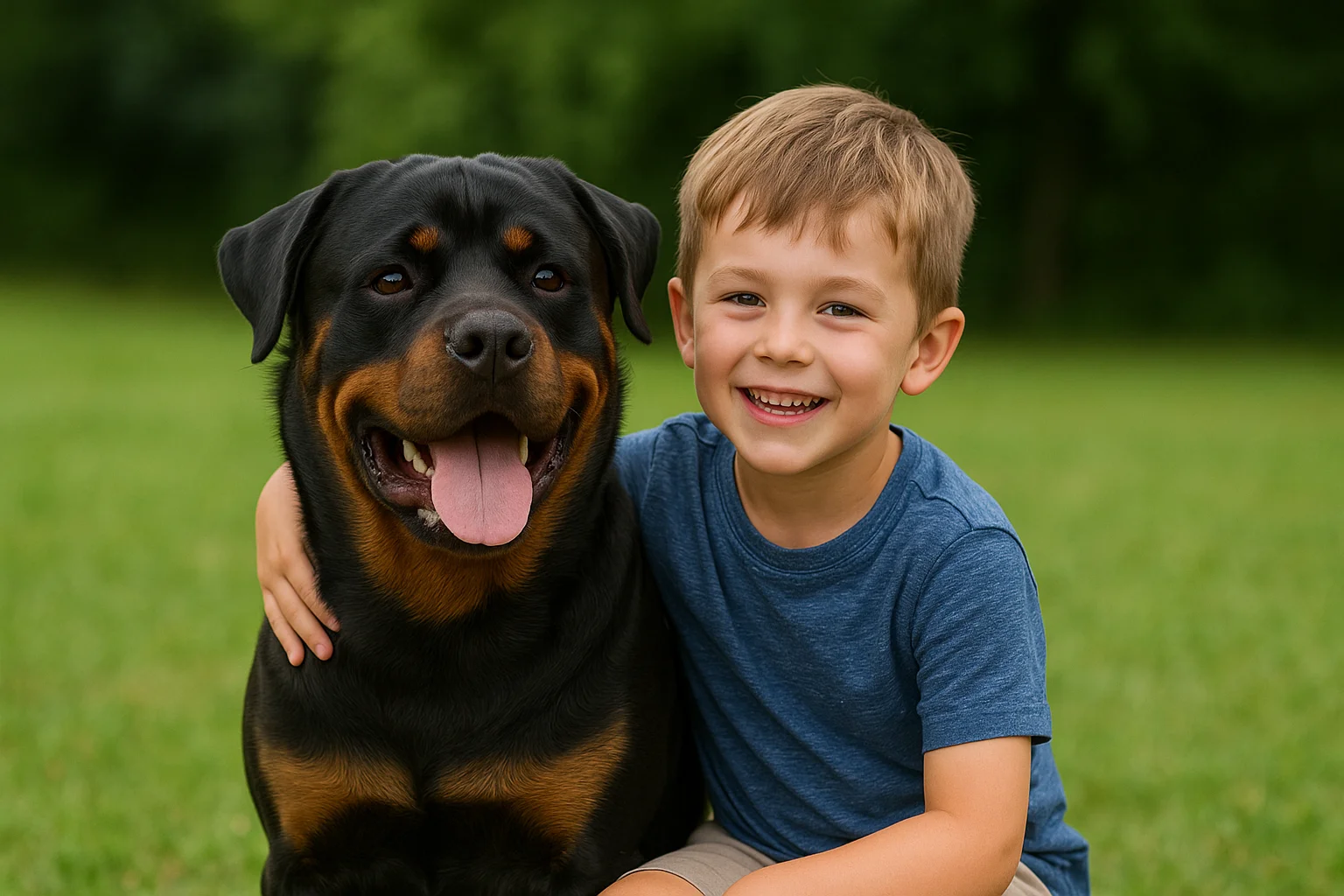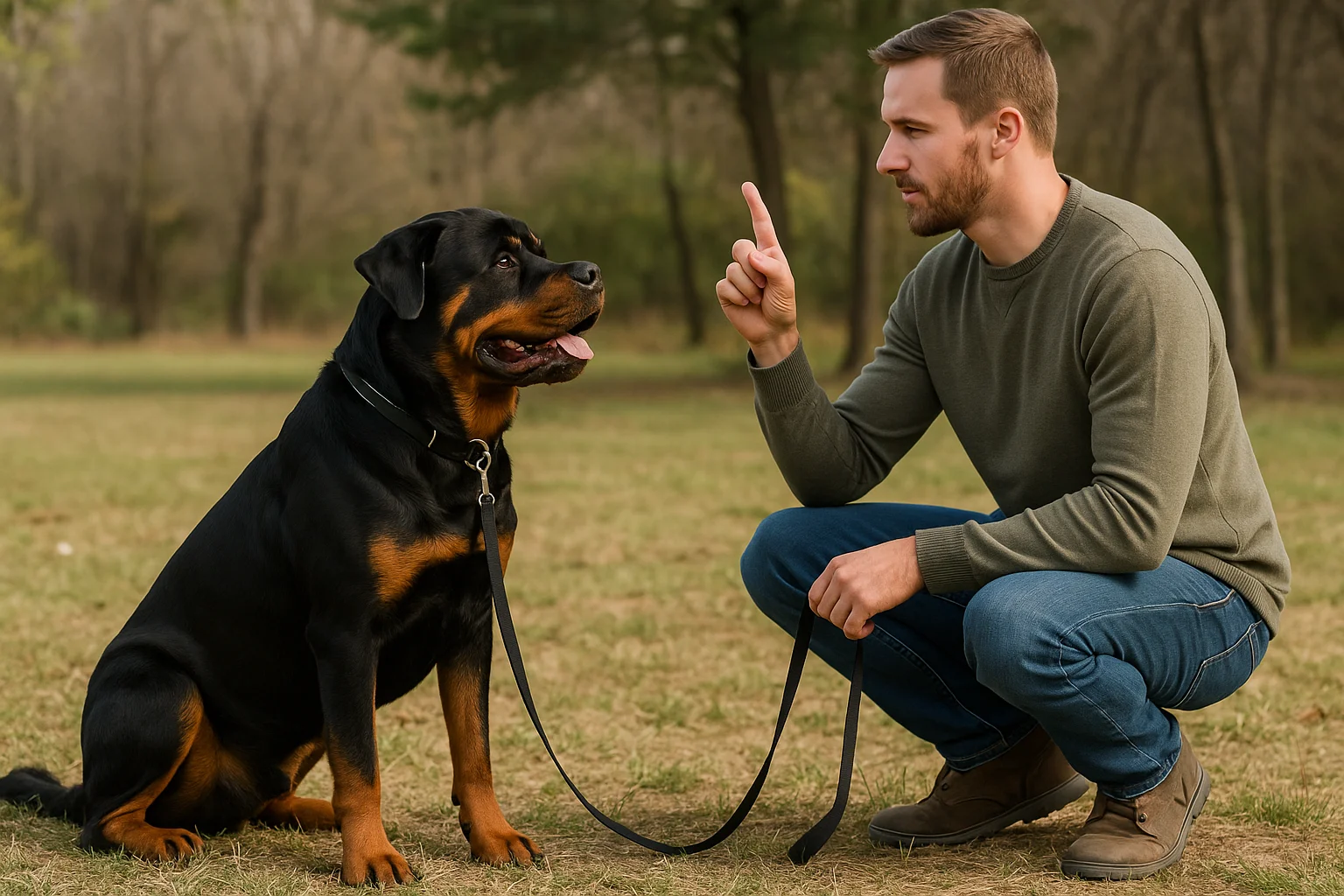
Training your Rodwajlery (Rottweiler) can be one of the most rewarding experiences for any dog owner. The Rottweiler Training Tips – Step-by-Step Obedience Guide helps you raise a confident, loyal, and obedient dog using patience, structure, and positive reinforcement. Rottweilers are intelligent and devoted, but they need early guidance to bring out their best behavior.
Understanding Your Rodwajlery (Rottweiler)
Rodwajlery are powerful, confident dogs known for their loyalty and protectiveness. They learn quickly but require consistent direction and gentle leadership. Understanding their temperament helps you train effectively and build a lifelong bond.
Personality traits of Rottweilers:
- Intelligent and eager to learn
- Naturally protective and loyal
- Responds best to praise and rewards
- Thrives with a confident, calm owner
When trained properly, Rodwajlery become balanced companions — both affectionate at home and obedient in public.
Step 1: Start Training Early
Early training is crucial for shaping behavior. Rodwajlery szczeniaki (Rottweiler puppies) are curious, quick learners who respond best to short, positive lessons.
Tips for training young Rottweilers:
- Start at 8–10 weeks old.
- Keep sessions short (5–10 minutes).
- Use consistent, simple commands.
- Reward correct behavior immediately with praise or treats.
Early training prevents stubborn habits and builds confidence in małe rodwajlery (small Rottweilers or puppies).
Step 2: Socialization Matters
Socialization teaches your Rottweiler to handle new experiences calmly. Without it, even friendly psy rodwajlery can become overprotective or anxious.
How to socialize your Rottweiler:
- Introduce them to new people and pets regularly.
- Take short walks in busy places.
- Reward calm reactions in unfamiliar settings.
- Expose them to sounds, vehicles, and different environments.
A well-socialized Rodwajlery becomes more adaptable, friendly, and confident in any situation.
Step 3: Teach Basic Obedience Commands
Once your pup is comfortable, begin basic obedience training. These commands form the foundation for discipline and safety.
Core commands to teach:
- Sit – Hold a treat above their head and say “sit.”
- Stay – Give the command, step back, and reward when they hold position.
- Come – Call enthusiastically and reward quick responses.
- Down – Guide with a treat to lie down calmly.
- Heel – Encourage walking beside you without pulling.
Keep your tone friendly, and always end sessions positively.
Step 4: Use Positive Reinforcement
Rottweilers respond best to encouragement. Instead of punishing mistakes, reward desired behavior. This builds trust and motivation.
Effective rewards include:
- Tasty treats
- Enthusiastic praise (“Good dog!”)
- Gentle petting or short play sessions
Avoid shouting or harsh corrections — these can damage your dog’s confidence. Stay calm and redirect mistakes with patience.
Step 5: Crate and Leash Training
Crate training offers your Rottweiler a personal space and assists with housebreaking. Leash training ensures safe, enjoyable walks.
Crate training tips:
- Make the crate comfortable with soft bedding.
- Encourage them to enter with treats.
- Keep the crate open initially to build trust.
Leash training steps:
- Use a short, sturdy leash.
- Reward calm walking beside you.
- Stop immediately if they pull — resume only when relaxed.
These routines promote discipline and make your pies rodwajlery easier to manage daily.
Step 6: Correct Gently and Consistently
Rottweilers are intelligent and can test boundaries. The key is calm correction and consistent rules.
Gentle correction methods:
- Say “No” firmly without shouting.
- Redirect unwanted behavior to a toy or command.
- Maintain consistent expectations from all family members.
Consistency helps your Rodwajlery understand limits without fear.
Step 7: Add Mental Stimulation and Advanced Training
Smart breeds like Rodwajlery love mental challenges. Keep their brains active with problem-solving games and advanced lessons.
Ways to keep them mentally sharp:
- Teach new tricks regularly.
- Use puzzle feeders or scent games.
- Try obedience competitions or agility courses.
- Offer daily exercise — at least 45–60 minutes of activity.
A mentally active Rottweiler is happier, calmer, and less likely to misbehave.
Step 8: Consider Professional Guidance
If your Rottweiler shows stubbornness, fear, or aggression, seek help from an experienced trainer.
A professional familiar with psy rodwajlery szczeniaki (Rottweiler puppies) can guide both you and your dog effectively.
Choose a trainer who:
- Uses positive reinforcement methods
- Has experience with large guardian breeds
- Involves owners in sessions
Training under expert supervision ensures long-term obedience and trust.
Step 9: Stay Patient and Consistent
Obedience isn’t achieved overnight — it’s a lifelong process. Consistency is what turns training into habit.
Keep these in mind:
- Practice daily, even for 10 minutes.
- Repeat commands regularly.
- Stay calm and encouraging.
- Avoid comparing your dog’s progress with others.
Every Rottweiler learns at its own pace — patience pays off.
Common Mistakes to Avoid
- Inconsistent commands – Confuses your dog.
- Skipping socialization – Leads to fear or aggression.
- Overuse of punishment – Damages trust.
- Lack of patience – Causes frustration for both owner and pet.
- Insufficient exercise – Results in boredom and destructive behavior.
Avoiding these mistakes ensures smoother, more effective training sessions.
Conclusion
The Rottweiler Training Tips – Step-by-Step Obedience Guide shows that training Rodwajlery isn’t about dominance but communication, love, and consistency. With patience, structure, and daily practice, your Rottweiler will grow into a calm, obedient, and affectionate companion who mirrors your leadership and care.
FAQs
When should I start training my Rottweiler?
Start as early as 8 weeks. Early lessons shape positive lifelong behavior.
How long does it take to train a Rottweiler?
Basic obedience usually takes 3–6 months, but reinforcement should continue throughout their life.
Are Rottweilers easy to train?
Yes. They’re intelligent and eager to please, but they need consistent and confident guidance.
What’s the best training reward?
Small treats, verbal praise, and playtime — always positive reinforcement.
Should I hire a professional trainer?
If your dog shows aggression or dominance, a certified Rottweiler trainer can help tailor methods safely.