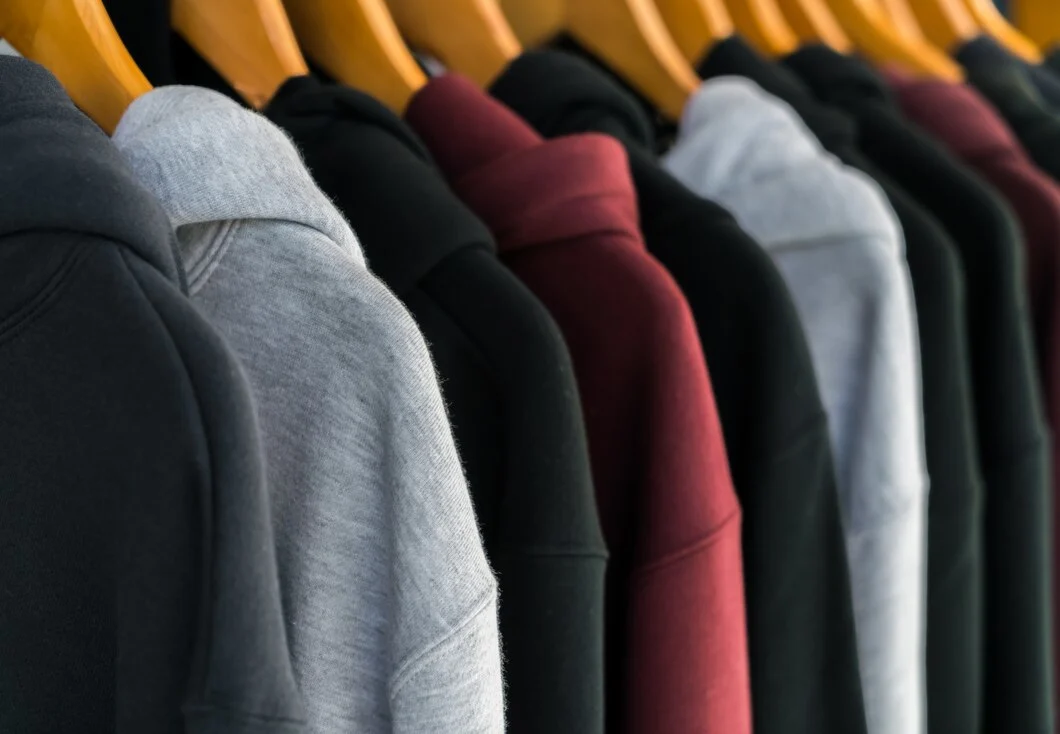
Outerwear serves as the most prominent layer of any team uniform during transit, warehouse shifts, and outdoor client visits. Standardizing an organization’s fleece around versatile dark tones simplifies morning dressing routines, projects cohesive brand discipline, and ensures garments remain presentable through long, demanding work shifts.
The Practical Superiority of Dark Monochrome Uniforms
Workplace outerwear faces continuous exposure to friction, mechanical dust, vehicle transit grime, and accidental spills. Light-colored fleeces quickly show surface soil along the cuffs, forearms, and kangaroo pockets, requiring aggressive laundering that degrades fabric fibers and fades logos.
Deep black fleece absorbs light, conceals minor everyday transit soil, and resists noticeable surface staining, allowing staff members to maintain a neat, professional appearance throughout full work shifts.
Monochromatic dark layers also integrate seamlessly with diverse corporate dress codes. Whether paired with rugged work trousers, standard denim, or tailored chinos, dark fleece delivers an intentional silhouette that flatters diverse body types across large, mixed teams.
Operational Scale and Volume Advantages
While specialized teams or seasonal drops may require distinct accent shades, managing ongoing uniform replenishment across growing departments requires predictable volume sourcing. Purchasing bulk hoodies through commercial distribution channels allows operations leads to secure inventory at volume price breaks while maintaining exact color and fabric consistency across reorder cycles.
Case-pack procurement eliminates retail markups, allowing companies to invest in heavier, more durable ring-spun fleeces without stretching operating budgets.
Standardizing core staff uniforms on dependable wholesale blanks also prevents subtle shade mismatches and fabric discrepancies between different employee onboarding cohorts.
Ring-Spun Cotton Faces and Color Retention
The lifespan and daily appearance of black fleece depend heavily on raw yarn spinning methods and dye formulations. Inexpensive promotional fleece built from open-end carded yarns leaves loose, broken fiber ends across the fabric surface. These irregular fibers reflect light unevenly and pill quickly, making black garments look faded, dusty, and worn after just a few commercial wash cycles.
High-caliber blanks constructed with combed, ring-spun cotton faces feature tightly twisted long-staple fibers that absorb reactive black dyes evenly. Deep molecular bonding keeps the pigment locked inside the core of the yarn, resisting surface frost and premature fading along high-friction areas like the elbows and collar ribbing.
A tightly knit ring-spun exterior also provides a smooth, flat surface that allows screen print inks and heat transfers to cure cleanly without loose fabric fuzz poking through the graphic.
Sizing Distribution and Inventory Efficiency
Managing an ongoing corporate uniform program requires structured planning around sizing curves and inventory staging. Guessing size splits without reviewing past order data frequently leads to stock imbalances, tying up operating cash in unsold edge sizes while core sizes run out prematurely.
Structuring volume purchases around proven adult sizing curves ensures every team member receives a well-fitting layer while eliminating unnecessary storage room clutter.
Calculating Standard Demographic Distributions
In adult corporate outfitting and promotional campaigns, demand concentrates heavily around medium, large, and extra-large sizes. Splitting an order equally across small, medium, large, and extra-large sizes results in quick stockouts for middle sizes and leaves unwanted outer sizes on the shelf.
A reliable distribution curve for general adult populations designates approximately ten percent to small, twenty-five percent to medium, thirty-five percent to large, twenty percent to extra-large, and ten percent to double extra-large.
Adjusting these baseline percentages according to specific team demographics prevents dead stock and ensures immediate, smooth distribution during onboarding waves and company events.
Establishing Contingency Buffer Quantities
Always add a five to eight percent reserve across core sizes when submitting organizational purchase orders. Company headcounts shift, new personnel join teams, and size swaps happen naturally during live distributions.
Keeping an organized surplus of decorated garments spares administrators from placing expensive, short-run replenishment orders that carry high press setup charges and express freight rates.
Surplus inventory can be distributed as mid-year rewards, packaged into onboarding welcome kits, or reserved for incoming staff joining later in the season.
Supply Chain Operations and Sourcing Discipline
Maintaining a cohesive branding program requires reliable blank supply and predictable delivery schedules. Discovering inventory shortages days before a major product launch, trade expo, or corporate retreat creates unnecessary administrative panic.
Establishing partnerships with reliable wholesale distribution networks protects organizational timelines and ensures consistent product quality from carton to carton.
Dependable Stock Access with Simplstc Apparel
Brand managers and operations directors need supply partners who provide transparent inventory counts and dependable freight tracking. When suppliers face unexpected backorders, campaign timelines collapse and scheduled events proceed without proper merchandise.
Partnering with dependable distributors like Simplstc Apparel gives organization leaders and print decorators reliable access to premium blanks with matching dye lots and consistent sizing across cases. Sourcing blank inventory through dedicated commercial channels via simplstcapparel.com allows teams to plan annual apparel programs around verified stock counts and clear freight schedules.
Maintaining a dependable supply pipeline gives your team the confidence to schedule major promotional rollouts without worrying about inventory gaps or backorders.
Carton Intake and Inspection Routines
Establishing an intake inspection routine when delivery cartons arrive protects your company from costly decorating errors. Once an embroidery needle or print squeegee marks a garment, wholesale suppliers cannot accept it for exchange or credit.
Open cartons upon arrival and verify piece counts and size splits against your purchase order before staging items for production. Pull random samples from each box to check neck ribbing, cuff seams, and shoulder stitching for loose threads or knitting flaws.
Taking the time to verify blank quality before decoration begins ensures smooth production runs and protects your total apparel investment.
Strategic Decoration That Protects Brand Integrity
The decoration methods used on corporate apparel must balance visual presence with daily comfort. Heavy, rubbery prints applied across the chest often crack over time and make garments uncomfortable to wear in warm environments.
Employing breathable decorating techniques keeps shirts flexible, soft, and comfortable during long work shifts.
Screen printing with soft-hand plastisol or water-based inks preserves the natural breathability of the cotton knit, preventing heavy ink patches that trap heat against the chest.
High-density embroidery provides an upscale, dimensional texture that works exceptionally well for left-chest corporate logos, staff monograms, and executive emblems.
Direct-to-film transfers deliver sharp, full-color detailing for intricate multi-shade emblems and detailed sponsor logo arrays.
Subtle design placements, such as a compact emblem on the left chest paired with a clean mark on the sleeve or back neck yoke, create a refined retail aesthetic that wearers gladly show off in casual social settings.
Sustaining Long-Term Value Through Wholesale Procurement
Wholesale apparel procurement provides the scale, cost savings, and manufacturing consistency needed to build a sustainable, polished brand image. Bypassing retail markups lowers unit expenses, allowing organizations to provide comfortable, long-lasting apparel that team members appreciate and wear often.
Pairing durable blanks with professional decoration methods creates merchandise that holds its shape, color, and comfort through years of regular wear.
A well-executed branded apparel program turns everyday clothing into an enduring asset for company unity, customer trust, and long-term market recognition across every environment.