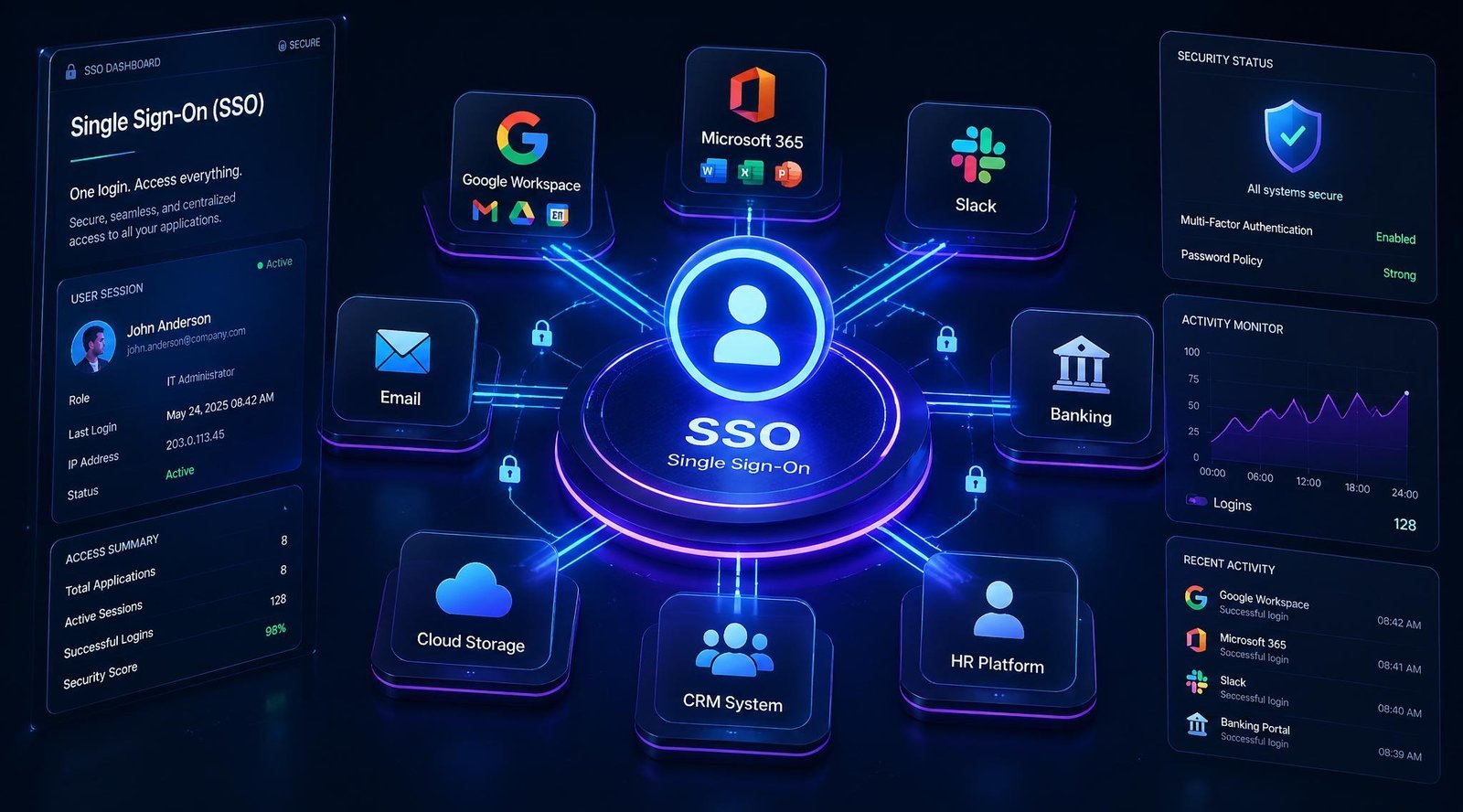
In an era where digital security is paramount, managing user access efficiently without compromising security is critical for any organization. Single Sign-On (SSO) systems, particularly the SSOID (Single Sign-On Identifier), have emerged as a pivotal solution for streamlining authentication processes. But what exactly is SSOID, and how does it transform the way businesses manage user identities? This comprehensive guide explores the workings, benefits, and implementation of SSOID, offering insights for IT professionals and business decision-makers alike.
Introduction to SSOID
Single Sign-On Identifier (SSOID) is an integral component of SSO systems, designed to simplify the authentication process for users accessing multiple applications within an enterprise. By utilizing a single set of credentials, users can seamlessly navigate through various systems without the hassle of multiple logins. This not only enhances user experience but also bolsters security by reducing the number of passwords that need to be managed and protected.
How SSOID Works
Technical Requirements
Implementing SSOID requires a robust infrastructure, including an Identity Provider (IdP) that manages user identities and a Service Provider (SP) that hosts the applications. The IdP authenticates the user, issuing an access token that allows entry to authorized resources. This infrastructure often uses protocols like SAML (Security Assertion Markup Language) or OAuth to facilitate secure data transmission.
Workflow Explanation
When a user attempts to access an application, the request is redirected to the IdP. After verifying the credentials, the IdP sends an assertion to the SP, granting access to the application. This process ensures that authentication is centralized, reducing the risk of credential theft and unauthorized access.
Benefits of Using SSOID
- Improved Security: By minimizing password usage, SSOID lowers the risk of phishing attacks and password breaches.
- Enhanced User Experience: Users enjoy a seamless experience with fewer login interruptions, improving productivity and satisfaction.
- Efficient User Management: IT administrators can manage user access and privileges more effectively, ensuring compliance and security.
SSOID Implementation Steps
Planning and Integration
Successful SSOID implementation begins with thorough planning. Organizations must assess their current infrastructure, identify necessary integrations, and select compatible SSOID solutions. It's crucial to involve stakeholders from IT, security, and business departments to ensure alignment and address potential challenges.
Testing and Deployment
Before full-scale deployment, rigorous testing is essential to identify and rectify issues. Once verified, the system can be deployed incrementally, with continuous monitoring to ensure performance and security standards are met.
Security Considerations for SSOID
While SSOID enhances security, certain best practices must be followed:
- Employ Multi-Factor Authentication (MFA) to add an extra layer of security.
- Regularly update and patch systems to protect against vulnerabilities.
- Conduct periodic audits to ensure compliance with data protection regulations like GDPR and CCPA.
Common SSOID Use Cases
SSOID systems are widely used across various industries, from finance to healthcare, where secure and efficient user access is critical. A notable example includes a financial institution that reduced login times by 60%, significantly boosting employee productivity while enhancing security.
Comparison with Other Authentication Methods
SSOID offers distinct advantages over traditional authentication methods and even some newer technologies like OAuth. While OAuth excels in delegated access scenarios, SSOID provides a comprehensive solution for centralized authentication across multiple systems, making it ideal for enterprise environments.
Future Trends in SSOID
The future of SSOID is promising, with trends pointing towards increased integration with AI and machine learning to enhance security features. Additionally, as blockchain technology evolves, decentralized identity systems may further complement SSOID, offering even more robust solutions for identity management.
FAQ
- What is SSOID and how does it work?
SSOID is the identifier used in Single Sign-On systems to authenticate users with a single set of credentials across multiple applications. It works by having an Identity Provider authenticate the user and issue an access token to service providers hosting the applications. - What are the benefits of SSOID?
SSOID offers improved security, enhanced user experience, and efficient user management by reducing the need for multiple passwords and centralizing authentication processes. - How secure is a Single Sign-On system?
SSO systems are generally secure, especially when combined with MFA and regular security audits. However, like any system, they must be properly maintained and updated to mitigate potential vulnerabilities. - How does SSOID differ from OAuth?
While both SSOID and OAuth involve authentication processes, SSOID is primarily used for centralized authentication across multiple systems within an organization, whereas OAuth is designed for delegated access, allowing third-party applications to access user data without exposing credentials.
SSOID systems represent a significant advancement in identity management, offering a streamlined, secure approach to authentication across multiple platforms. By understanding the mechanisms, benefits, and implementation strategies of SSOID, organizations can enhance security, improve user experience, and stay ahead in an increasingly digital world. For businesses looking to embrace SSOID, now is the time to start planning and integrating these systems into their IT infrastructure.